Blockchain-Hyperledger
Pragma Edge provides Blockchain/Hyperledger solutions for Manufacturing, Insurance, Financial, Healthcare, Pharmaceuticals industries - Pragma Edge
Track products from their origins
Enterprise-grade blockchain deployments
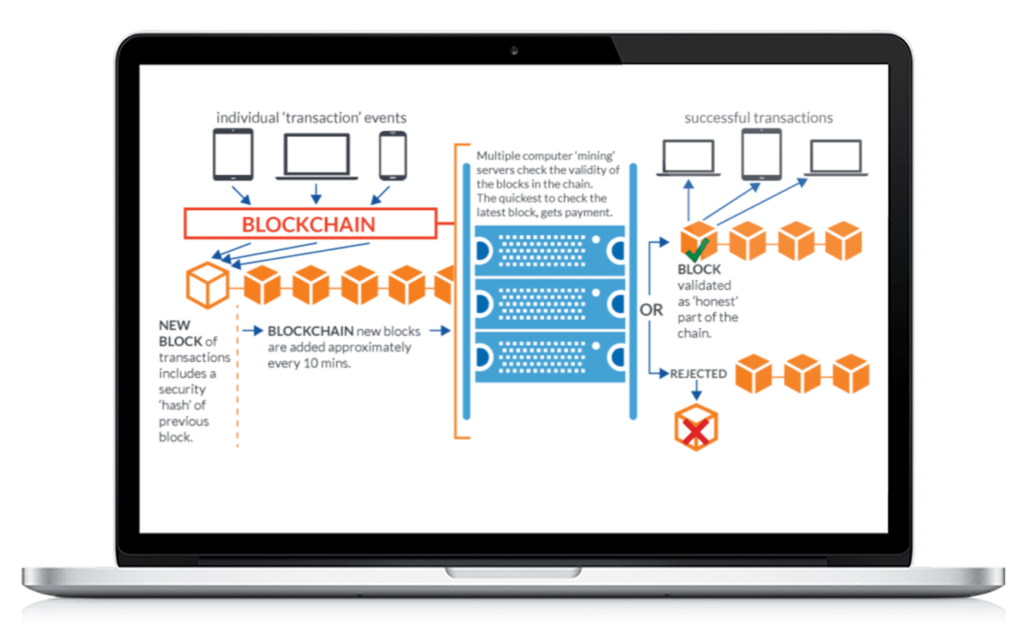
Pragma Edge provides Blockchain/Hyperledger solutions for Manufacturing, Insurance, Financial, Healthcare, Pharmaceuticals industries.
Pragma Edge solution offers services on Hyperledger frameworks like Fabric, Iroha, Sawtooth, Burrow and modules Indy, Chaintool, Explorer, Cello
Hyperledger Fabric & Composer Technology
Hyperledger is a multi-project open source collaborative effort hosted by The Linux Foundation, created to advance cross-industry blockchain technologies.
Manufacturing
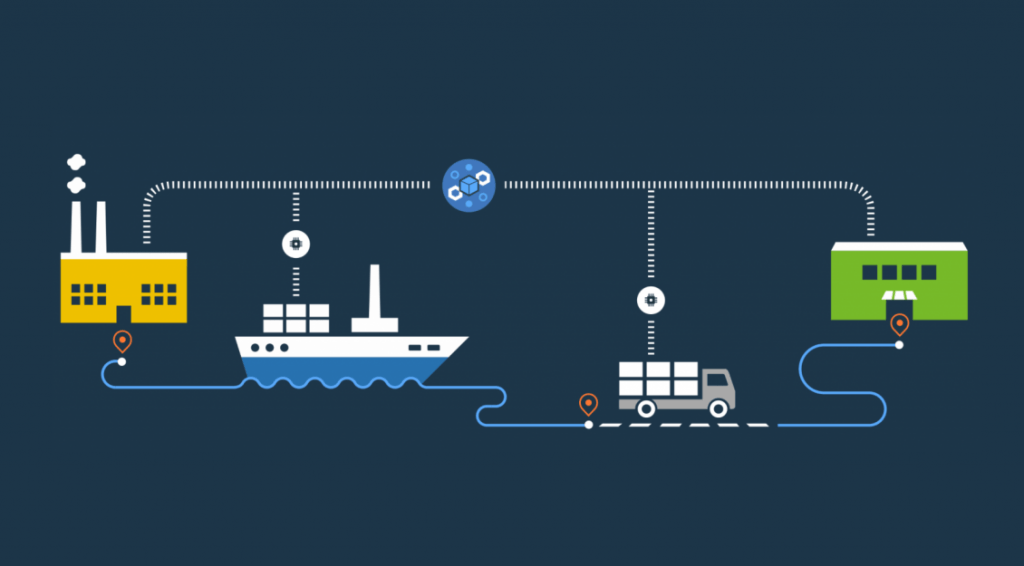
Increase the transparency and traceability in your processes and supply chains , helping to resolve inefficiencies every step of the way.
Track products from their origins to their destinations, verifying ownership and reducing theft.
Insurance
Simplify the claims process and enhance process efficiency. Decrease fraud and improve compliance by using set rules for claims processing, reducing human error.
Improved access to reliable data records that can be accessed from a decentralized ledger.


Financial
Accelerate the speed of transactions and monitor them in real time
Improve accuracy and eliminate fraud with a detailed audit trail. Use “Smart Contracts” that are triggered when conditions are met to eliminate the added expense of a middleman.
Eliminate third party costs and fees for seamless peer-to-peer transactions.
Simplify and streamline cross-border payments.
Increase transparency among financial institutions, leading to improved regulatory reporting and monitoring.
Healthcare
Create a master patient index, tying patients to their data, rather than their identity.
Create a layer of de-identified data for researchers to use to recruit patients for clinical trials.
Simplify the claims process and billing by automating adjudication.
Secure data from care center to care center, and improve quality of care, by storing patient information as blocks of universal code.

Pharmaceuticals
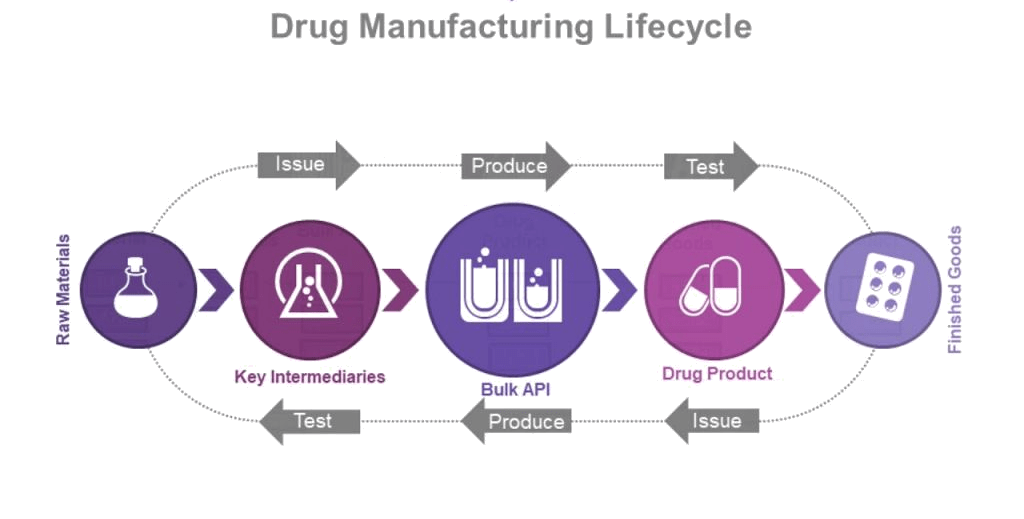
Track pharmaceuticals from creation to distribution: ensuring manufacturing quality and patient safety in the event of a recall.
As in clinical trials, create a layer of de-identified data for researchers to use to recruit patients for pharmaceutical trials.
Apply shared transaction and ledger design to a defined use case.
Assess whether a shared transaction record solves a real coordination problem between participating organizations. Compare access, identity, privacy and reconciliation requirements with a conventional integration before selecting a distributed-ledger design.
Define the engagement scope.
Define the business transaction, participating organizations and information each party may see or change. Assess whether a shared ledger offers value beyond a conventional integration and authoritative database. Review membership, identity, confidentiality and the relationship between recorded events and the systems that execute the underlying business activity.
Validate the operating result.
Test inconsistent submissions, rejected transactions, unavailable participants and recovery of the surrounding integrations. A ledger entry does not establish that an external delivery or payment occurred; define the evidence required for that claim. Agree how participants resolve disputes and manage changes to shared rules.
Prepare for a focused working session.
Bring a representative transaction, the participant model, access requirements and existing reconciliation process. Begin with a bounded assessment or prototype before committing to a broader platform design. Scope the integration contracts, governance arrangements, validation cases and operating responsibilities needed for the selected network.
Make the next step specific.
Bring your operating context, priorities and questions. We’ll help identify the relevant next step.
Start a conversation ↗